By Daniel Frost
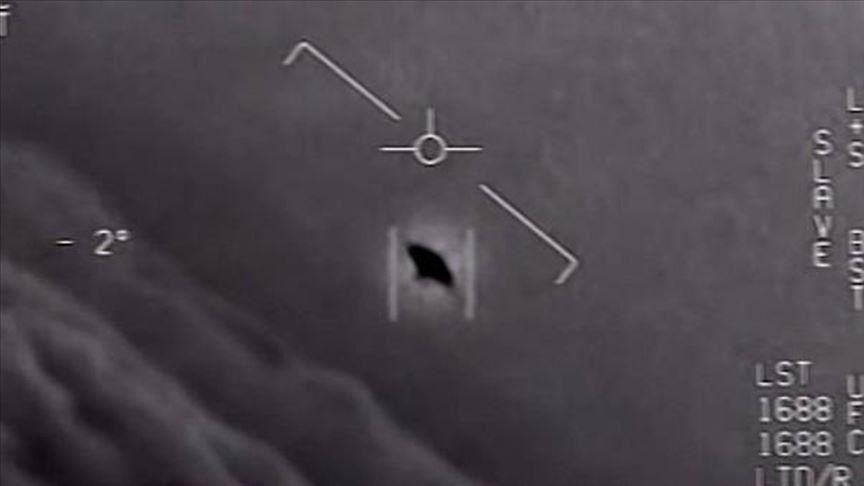
On November 14, 2004, a series of coordinated observations occurred in the Pacific Ocean, approximately 100 miles southwest of San Diego, California. The event involved the guided missile cruiser USS Princeton, the nuclear aircraft carrier USS Nimitz, and multiple aircraft from the VFA-41 Black Knights squadron. This case is notable for the correlation between radar data and visual confirmation by trained military personnel.
The incident began four days prior, on November 10, when radar operators aboard the USS Princeton detected unidentified aerial contacts. The SPY-1 radar system tracked objects descending from altitudes exceeding 80,000 feet to sea level in less than one second. Such acceleration exceeds the known capabilities of conventional aircraft. The contacts disappeared and reappeared intermittently over several days. The pattern drew the attention of the command staff, leading to a dedicated interception mission on November 14.
Commander David Fravor and Lieutenant Commander Alex Dietrich were scrambled in F/A-18F Super Hornets to investigate the anomaly. They were directed to a specific coordinate where the radar contact had been hovering. Upon arrival, the pilots observed a disturbance on the ocean surface. Below them, a white object floated approximately 20 feet above the water. The object was described as smooth, lacking wings, rotors, or exhaust ports. Its shape resembled a tic-tac candy, white in color, with no visible means of propulsion.
Fravor reported that the object reacted to their presence. As the aircraft descended to investigate, the object accelerated rapidly. It matched the speed of the fighter jet without producing a sonic boom or heat signature visible to the naked eye. The maneuver involved a sharp turn and vertical ascent, disappearing from visual sight within seconds. The pilots attempted to pursue, but the object outpaced their maximum speed. They lost visual contact and returned to the carrier.
Simultaneously, another aircraft from the USS Nimitz group, equipped with an Advanced Targeting Forward Looking Infrared (ATFLIR) pod, recorded the event. The sensor operator, who remains unnamed in public records, managed to lock onto the object. The resulting video footage shows a small, oblong object moving against strong winds at high speed. The infrared system struggled to maintain a lock due to the object’s erratic movement and lack of standard thermal signatures.
The radar data from the USS Princeton was recorded and stored. It shows multiple contacts moving at high velocities and performing instantaneous changes in direction. The system classified the contacts as valid tracks, not environmental noise or biological interference. The combination of ship-based radar, air-based radar, and visual confirmation by multiple independent witnesses creates a robust data set.
Following the incident, the footage and reports were classified. The data remained within military channels for over a decade. In 2017, the New York Times published an article detailing the event, citing interviews with the involved pilots. Subsequently, the United States Department of Defense officially released the video footage to the public. The release confirmed the authenticity of the recording. The Pentagon stated that the videos were taken by Navy aviators and represent unidentified aerial phenomena.
No physical evidence was recovered. There were no radiation readings or residual effects reported by the crew. The object did not communicate via radio frequencies. The event lasted approximately twenty minutes from initial visual contact to the return to base. The pilots involved described the experience as professionally frustrating due to the inability to identify the technology.
This case remains one of the most documented encounters in naval aviation history. The verification comes from multiple sources: radar logs, video footage, and sworn testimonies. The object displayed flight characteristics that defy current aerodynamic understanding. There was no visible lift generation. There was no exhaust plume. The acceleration forces implied would be lethal to a human pilot inside a conventional cockpit.
The USS Nimitz carrier group continued its deployment schedule without further incident. The data was analyzed by intelligence agencies. No public explanation was provided regarding the origin or nature of the object. The files remain part of the official record of unidentified aerial phenomena investigated by the government. The incident serves as a primary reference point for modern discussions on aerospace security and unidentified objects.
Leave a Reply